
Hairline mapping
Facial proportions are used to plan the visible frame of the result.
Learn how FUE, FUT, Sapphire micro-channeling, DHT and implanter pen workflows differ, and why the best method depends on your donor zone and density target.
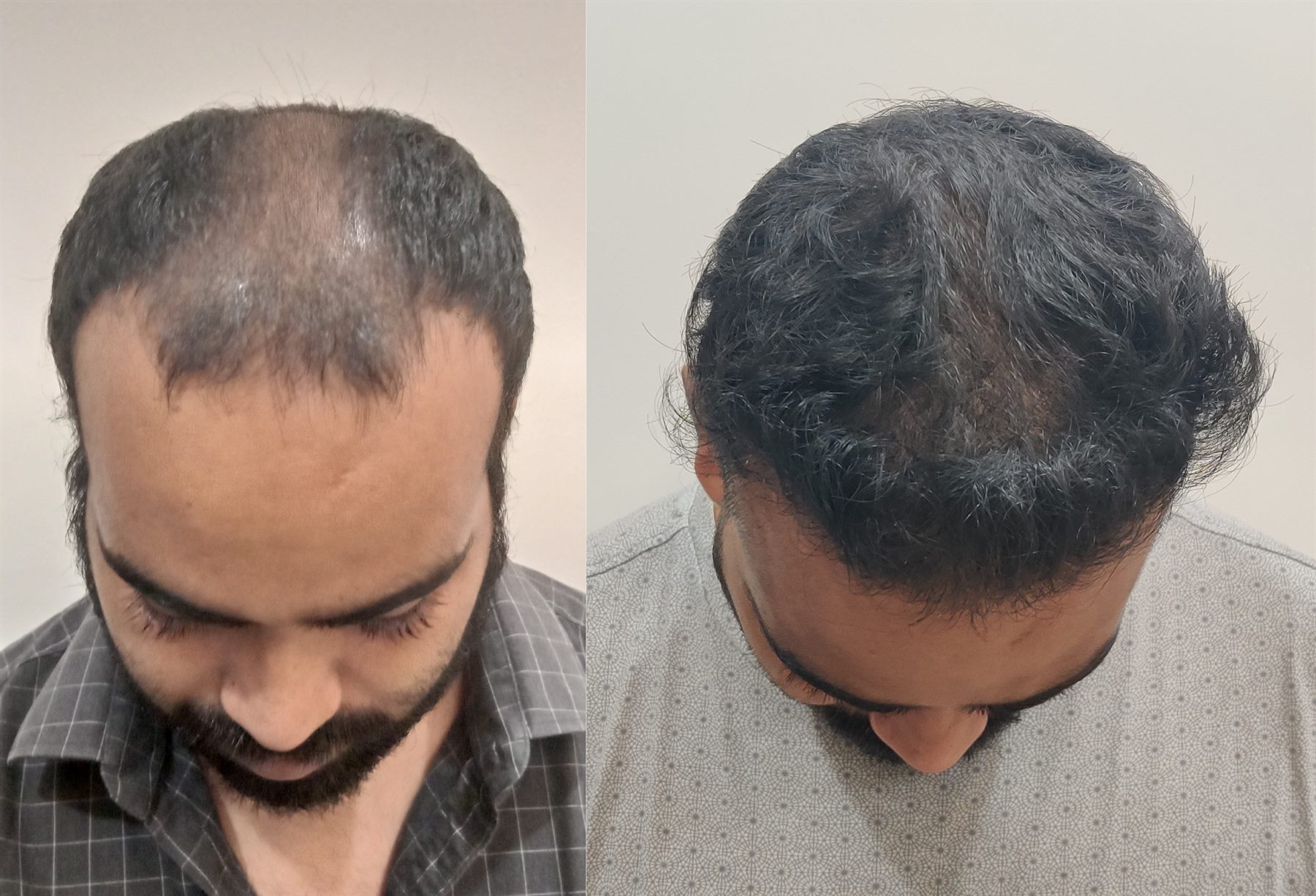
A good result depends on graft handling, recipient angle, donor preservation and hairline planning. Technology is useful only when it serves the patient's anatomy.
Individual graft extraction without a linear scar, commonly preferred for precise hairline and density work.
Extraction and implantation are coordinated to reduce graft handling time and support controlled placement.
Fine blades support dense, clean channels when the scalp condition and graft plan are suitable.
Your consultation should explain tradeoffs clearly before deciding how to use donor hair.
| Technique | Best suited for | Healing profile | Planning note |
|---|---|---|---|
| FUE | Most modern hairline and density cases | Tiny extraction dots, no linear scar | Requires careful donor spacing |
| FUT | Select cases needing strip harvest efficiency | Linear donor scar | May be discussed when donor strategy requires it |
| DHT / Implanter | Controlled angle and direction needs | Technique-dependent | Useful for refined placement planning |
| Sapphire | Dense micro-channel creation | Designed for clean channels and healing | Chosen when tissue quality supports it |
Laser alignment, Sapphire channeling and implanter control are combined only when medically appropriate.
Facial proportions are used to plan the visible frame of the result.
Recipient sites are created with attention to density, direction and vascular safety.
Placement is controlled to blend with existing hair and reduce a plug-like look.
A personal donor-zone assessment is the safest way to choose between FUE, DHT, Sapphire or combined planning.